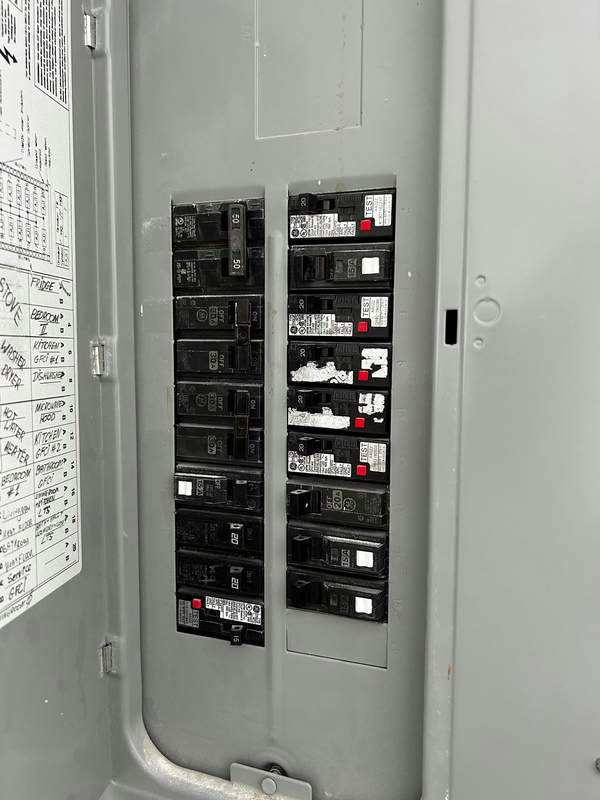
In the world of fixer-uppers, the allure of transforming a neglected property into a dream home captivates many. However, lurking behind closed walls is a crucial component that can often be overlooked: the electrical panel. Understanding the hidden intricacies of these panels is vital for ensuring safety and functionality in any renovation project.
Understanding Electrical Panel Basics
Electrical panels, often referred to as breaker boxes, serve as the central hub for a home’s electrical system. They distribute power to various circuits throughout the house, ensuring that appliances and fixtures operate correctly. A typical panel can handle 100-200 amps of power, and its capacity must match the home’s electrical demands. Inspectors highlight the necessity of ensuring panels are up to code, as outdated systems can pose safety risks, including electrical fires.
Identifying Common Issues
In older homes, several issues commonly affect electrical panels:
- Overloaded Circuits: When too many devices draw power from a single circuit, it can cause breakers to trip frequently.
- Outdated Components: Older panels may contain fuses rather than circuit breakers, which are less effective at preventing electrical overloads.
- Improper Wiring: Amateur wiring jobs can lead to dangerous situations, such as short circuits or potential fire hazards.
Homeowners and buyers should be aware that these issues require prompt attention from licensed electricians to ensure safety and compliance with safety standards.
Practical Inspection Tips
Professional inspectors recommend several steps to assess the condition of an electrical panel:
- Visually inspect the panel for signs of wear, corrosion, or burn marks.
- Check for proper labeling of circuits to ensure easy identification and troubleshooting.
- Evaluate the age of the panel to determine if an upgrade is necessary, especially in homes over 30 years old.
Following these practices can help identify potential problems early and prevent costly repairs or dangerous situations.
Conclusion
Electrical panels play a critical role in the safety and efficiency of any home, especially in fixer-uppers. By understanding their significance and common issues, homeowners can better prepare for renovation challenges. Engaging professional home inspection services ensures that these essential components are thoroughly evaluated, providing peace of mind for future improvements.